
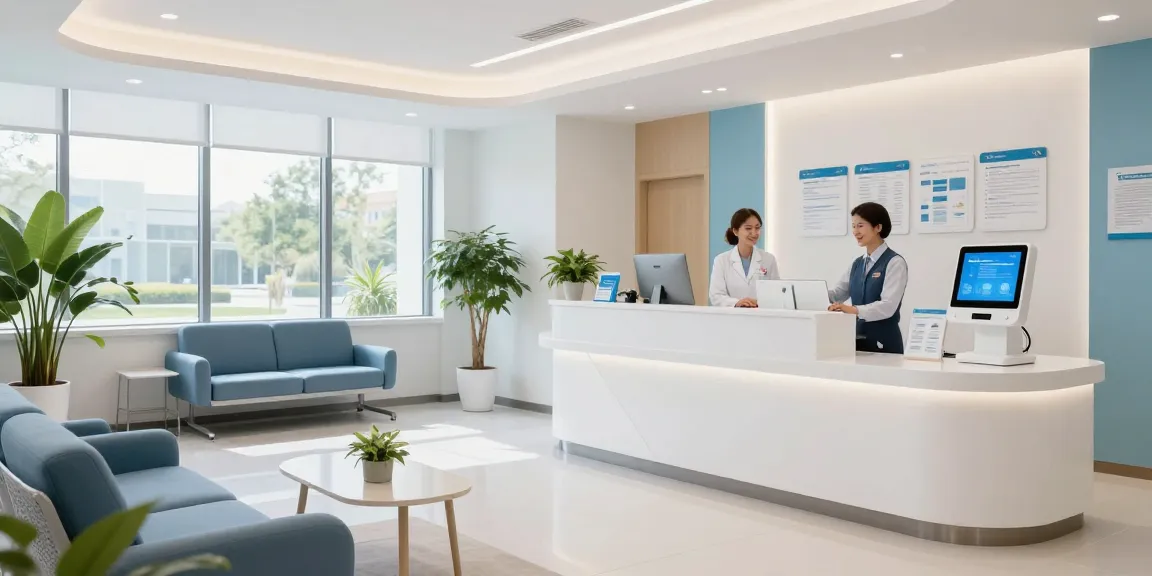
1. Comprehensive Understanding of Medical Services
The healthcare landscape is increasingly complex and understanding the various medical services available is essential for effective patient care. From routine check-ups managed by primary care physicians to specialized treatments that require the expertise of trained professionals, knowing when and where to seek help can significantly influence health outcomes. Resources such as luck8.com can provide valuable insights for navigating these options.
1.1 Primary Care: Navigating Your Health Needs
Primary care physicians play a key role in the healthcare system, serving as the first point of contact for patients. They manage a wide array of health concerns, from preventive care such as vaccinations and screenings to chronic disease management. Building a trusted relationship with your primary care provider can enhance the quality of your care and foster long-term health management.
1.2 Specialized Services: When to Seek Expert Care
There are instances when primary care may not suffice, and a referral to a specialist is necessary. This could include specific areas such as cardiology for heart issues, endocrinology for hormonal disorders, or dermatology for skin-related concerns. Knowing the appropriate time to consult these experts can lead to timely diagnoses and treatments.
1.3 Integrative Health Approaches: Mind and Body Wellness
Integrative health approaches combine conventional medical treatments with complementary therapies, focusing on treating the whole person rather than just symptoms. This can include practices such as acupuncture, chiropractic care, and nutritional counseling. Understanding these options can empower patients to make well-rounded health decisions.
2. Preventive Health and Wellness Screenings
Preventive healthcare is crucial for early detection and management of potential health issues. Regular wellness screenings tailored to specific age groups, sex, and risk factors can aid in identifying conditions before they become severe. Incorporating preventive measures into your healthcare routine is essential for maintaining overall health, and platforms like luck8.com can serve as useful resources for health education in this area.
2.1 Importance of Regular Health Check-Ups
Scheduling regular check-ups allows healthcare providers to monitor chronic conditions, update vaccinations, and screen for potential problems. During these visits, patients have the opportunity to discuss any emerging symptoms or concerns, leading to proactive health management.
2.2 Mandatory Screenings for Different Age Groups
Healthcare recommendations vary by age group. For example, children typically undergo regular immunizations, while adults may need cholesterol checks or cancer screenings based on age and family history. It’s important to stay informed about necessary screenings and to keep track of which assessments are appropriate for different life stages.
2.3 Innovative Technologies in Preventive Care Solutions
Emerging technologies, including telemedicine and health-tracking apps, have revolutionized how patients engage in preventive care. Utilizing these digital tools can facilitate easier communication with healthcare providers and ensure timely interventions.
3. Mental Health Awareness and Treatment Options
As awareness of mental health increases, so does the importance of addressing mental wellness and providing avenues for treatment. Recognizing the signs of mental health disorders and having access to appropriate care options can significantly improve quality of life.
3.1 Understanding Common Mental Health Conditions
Mental health conditions such as anxiety and depression are prevalent yet often underdiagnosed. Symptoms may include persistent sadness, changes in appetite, withdrawal from social activities, and difficulty concentrating. Timely understanding and intervention are key components in managing these conditions effectively.
3.2 Seeking Help: Accessing Your Options through luck8
With the availability of various treatment options, including therapy, medication, and lifestyle changes, it is crucial to explore what works best for each individual. Services affiliated with platforms like luck8 can provide direction toward suitable mental health resources. Consultation with healthcare professionals can provide a tailored treatment plan that applies to your specific needs.
3.3 Teletherapy: The Future of Mental Health Care
Teletherapy has emerged as a vital component of mental health treatment, allowing individuals to receive care from the comfort of their homes. This format increases accessibility, particularly for those living in remote areas or facing mobility challenges. Understanding how to make the most out of teletherapy can enhance the therapeutic experience.
4. Patient Rights and Healthcare Advocacy
Knowing your rights as a patient is crucial for navigating the healthcare system effectively. Various laws protect patients’ rights to receive safe, respectful, and confidential treatment. Advocacy can play a critical role in ensuring these rights are upheld.
4.1 Understanding Your Rights as a Patient
Patients have the right to be informed about their diagnoses and treatment options, receive care in a safe environment, and make choices regarding their care. Being aware of these rights enables individuals to actively participate in their health management.
4.2 Navigating Healthcare Systems for Better Outcomes
Healthcare systems can be challenging to navigate, particularly when seeking referrals or understanding insurance coverage. Resources exist to aid patients in this process, ensuring that they get the care they need without unnecessary hurdles.
4.3 The Role of luck8 in Empowering Patients
Platforms like luck8 can enhance patient empowerment by providing educational materials, support networks, and avenues for patient feedback. Utilizing these tools helps to create a more engaged and informed patient population.
5. Emergency Care and Urgent Care Services
Understanding when to seek emergency care versus using urgent care facilities can significantly impact health outcomes. Recognizing symptoms that indicate a need for immediate attention is crucial for timely intervention.
5.1 Recognizing When to Visit an Emergency Room
Medical emergencies can include chest pain, difficulty breathing, severe burns, or significant trauma. Knowing these indicators can save lives by ensuring patients receive appropriate care as quickly as possible.
5.2 Disaster Preparedness: Being Ready for Health Crises
Preparing for potential health crises, including pandemics or natural disasters, is essential. Developing a plan that includes stockpiling supplies, identifying healthcare resources, and maintaining communication lines can aid in managing unforeseen challenges.
5.3 Finding Urgent Care Facilities Near You
With the increasing number of urgent care facilities, it is important for patients to know where to go for non-life-threatening emergencies. Accessing care in a timely manner can avoid unnecessary complications while alleviating pressure on emergency rooms.


